lululemon Wish List
Goals
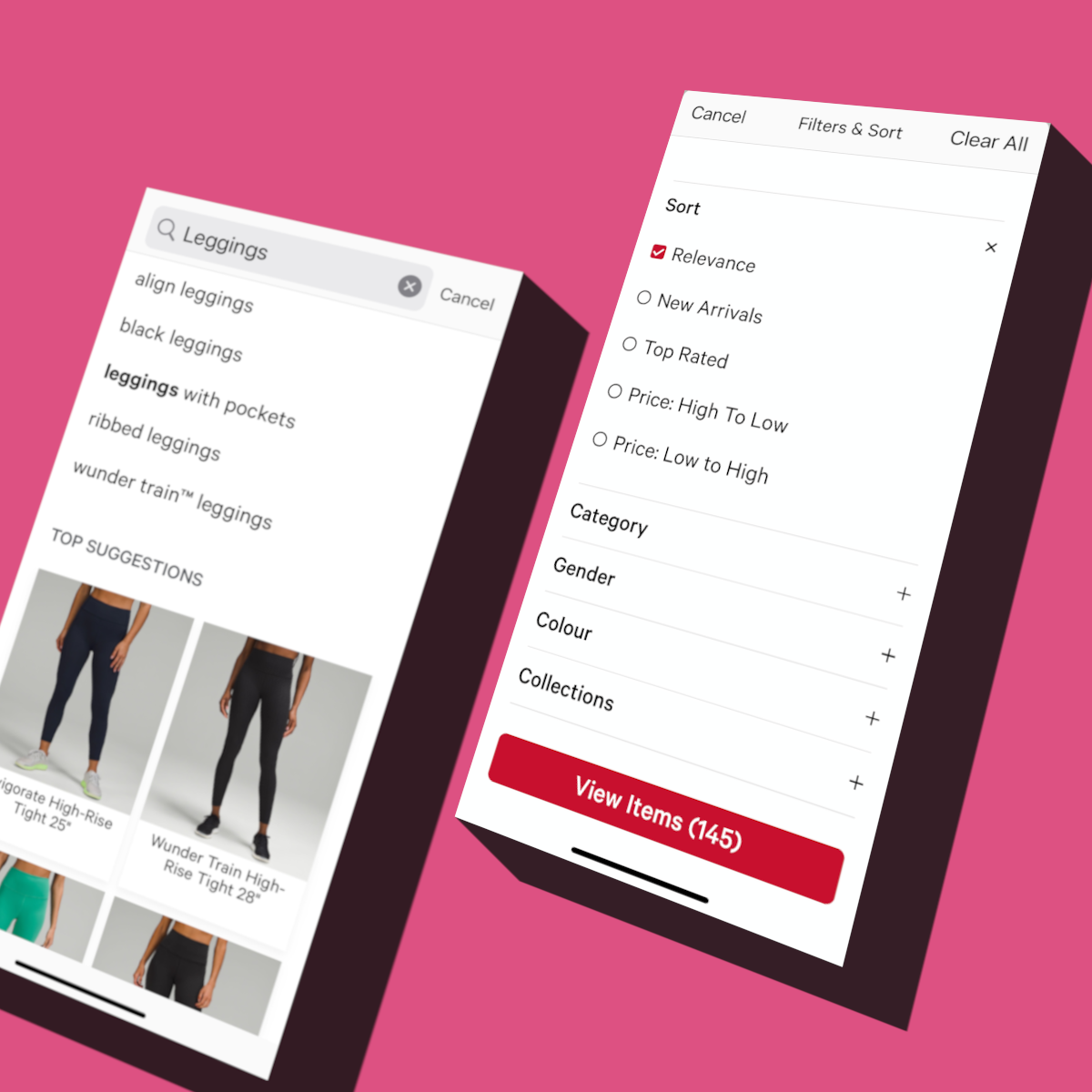
The current experience of adding an item to a wish list when not logged in redirects users to a new page. There is user drop-off at this point (no metrics provided) and guests are not continuing to log in and add items to their wish list.
Hypotheses
One hypothesis to explain this behaviour is that the current experience is disorienting and when guests are directed to a new page that is neither the PDP they came from nor the wish-list, guests become disoriented and therefore abandon the action. This study will test this hypothesis.
There are more hypotheses that could explain the observed behaviour. For example, it is possible that when guests are presented with a login page and their login credentials are not saved as part of a session or in their browser, users can’t remember their credentials and the effort to retrieve them is too great to overcome. This hypothesis will not be tested as part of this study.
Another hypothesis to explain this behaviour could be that when presented with the login screen, guests realize that they don’t want their current and future behaviour tracked. This hypothesis will not be tested as part of this study.


Methodology
Hypothesis A: modal will be a better experience.
- 2 unmoderated tests: 1 for desktop, 1 for mobile
- 5 participants per test
- Mix of:
- male/female,
- guests/non-guests,
- US/Canada
Hypothesis B: users want minimal info at login.
- 2 unmoderated tests: 1 for desktop, 1 for mobile
- 15 participants for mobile test; 10 for desktop
- Mix of:
- male/female,
- guests/non-guests,
- US/Canada
Executive Summary
The current experience is not confusing, per se, but it is not ideal.
Participants felt burdened by having their flow interrupted. Navigating to a new login page is incongruent with their actions—they clicked on wish list and got login. What happens after login? Many participants said they didn’t know if they would be directed to their account page, a wish list page, or back to the previous page. And what do they do if they want to cancel this action? Do they hit the back button and wait for the page to refresh?
This seemingly innocent action was described by guests as fraught with potential problems and it is easy to see how the burden placed on guests would be too heavy.
It would be easy to imagine that many guests would not work that hard to add an item to the wish list.
The new modal experience addresses the concerns raised by test participants:
- It makes participants feel like they are in control. Participants don’t have to guess what the next page is going to be. They don’t have to wait for a new page or the old page to load. They can choose to login or close the modal.
- It reduces the number of steps required to log in. Although not technically true, participants felt like this was a cleaner, easier experience that required fewer steps and made the entire process feel easier.
- It makes their current behaviour easier. It may not increase log ins but it reduces feelings of frustration for those who may not value the wish list over the work of logging in: “I can exit and not have to go back a page if I’m not interested anymore” and “if I am adding something to my wish list, I am not that eager to buy it right away”.